
 |
 |
Lisa
|
Adrienne
|
Favorite Drinks
Lisa talks about three drinks and their health benefits.
Adrienne: So, Lisa, what is that you're drinking?
Lisa: Oolong tea. Iced oolong tea.
Adrienne: Is it your favorite drink?
Lisa: It's not really my favorite drink. My favorite drink is Diet Coke. I love Diet Coke, but a couple of years ago, I was drinking only Diet Coke and started to realize that that probably was not the healthiest thing for me to be drinking, so I switched to oolong tea.
Adrienne: What are the benefits?
Lisa: So there is a couple of benefits. One benefit which I really like is that it absorbs fat, or when you're eating foods that are high in fat and drinking it with oolong for some reason it absorbs some of the fat, so there have been studies that prove that oolong tea does contribute to weight loss, and that's why if you go to a lot of Chinese restaurants they'll always serve tea with the meal and most likely it's oolong tea cause for some reason it absorbs fat, plus oolong tea also has anti-oxidants, which are cancer fighting and makes it so much healthier, so it fights fat and cancer.
Adrienne: So now you only drink oolong tea?
Lisa: Well, in my research on the most healthiest drink, I also found that green tea was even healthier than oolong tea, so now I drink oolong tea, green tea, and always a bit of diet coke.
Adrienne: So what are the benefits of green tea?
Lisa: Green tea, also, I think it has more anti-oxidants. They did a study of green tea and found that people who drink green tea lost more weight than people who weren't drinking green tea, so anything that either absorbs fat and contributes to weight loss is a drink for me.
Adrienne: OK, but I thought green tea had a lot of caffeine in it, so I thought actually that green tea was maybe is not the best tea to be drinking.
Lisa: That's what a lot of people think actually, and in fact, green tea, so if you look at on a scale of drinks like tea and coffee and green tea and oolong tea, the drink that has the least amount of caffeine is actually green tea and that is because it's not processed. The leaves are just dried. Then the next drink that has more caffeine is oolong tea because the leaves are semi-processed. After that, the next drink that has more caffeine is coffee actually, obviously everyone know coffee has a lot of caffeine, but the drink that has the most caffeine is English tea.
Adrienne: Very interesting. I learned a lot from you today.
switched
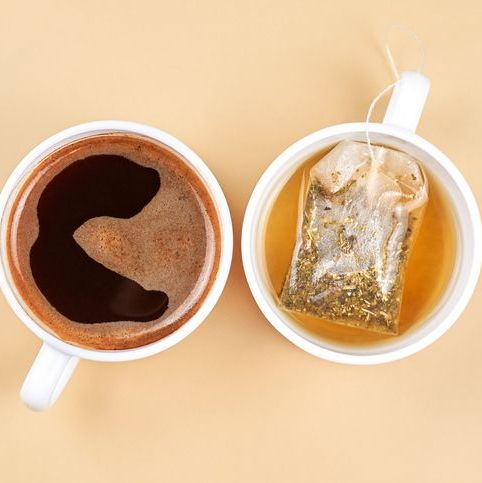
So I switched to oolong tea.
The word - "switched" - means to change from one thing to another.
Notice the following examples:
- He switched from coffee to tea.
- She switched jobs last year.
absorbs

It absorbs fat when you drink it with food.
The word - "absorbs" - means to take something in, such as liquid, heat, or energy.
Notice the following examples:
- This towel absorbs water quickly.
- The sponge absorbs the liquid.
serve
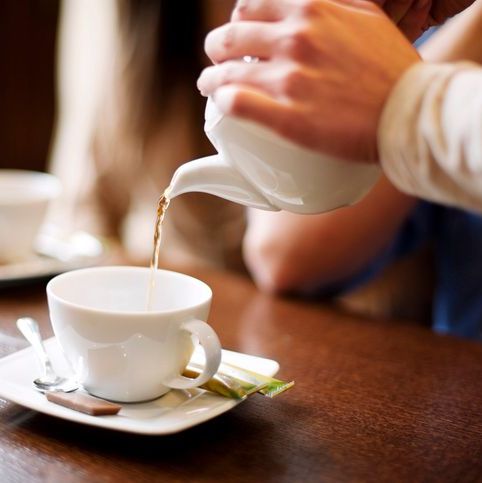
Chinese restaurants often serve tea with the meal.
The word - "serve" - means to give or provide food or drink to someone.
Notice the following examples:
- The restaurant serves lunch at noon.
- They served tea to their guests.
anti-oxidants
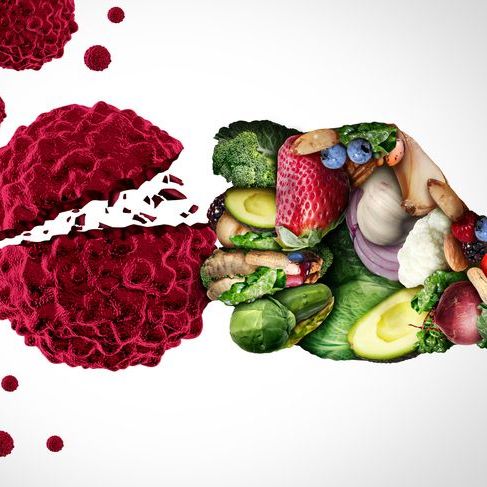
Oolong tea also has anti-oxidants.
The word - "anti-oxidants" - refers to substances that help protect the body from damage caused by harmful molecules.
Notice the following examples:
- Blueberries contain many anti-oxidants.
- Green tea is rich in anti-oxidants.
cancer
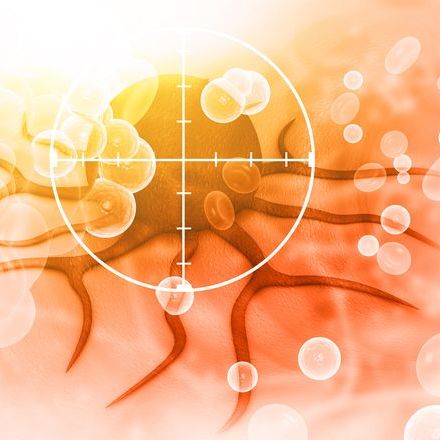
Anti-oxidants are cancer fighting.
The word - "cancer" - refers to a serious disease where abnormal cells grow uncontrollably in the body.
Notice the following examples:
- Scientists are researching ways to treat cancer.
- Regular health checks can help detect cancer early.
fights
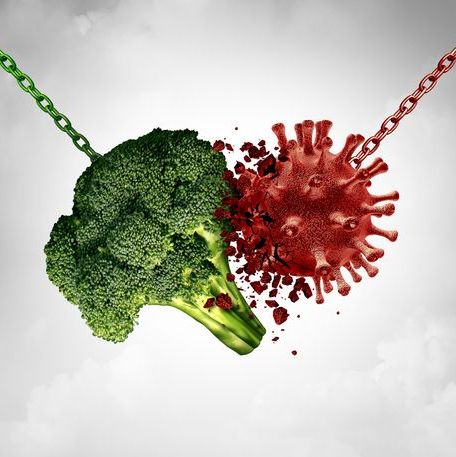
It fights fat and cancer.
Here, the word - "fights" - means to work against something harmful or unwanted.
Notice the following examples:
- Exercise fights stress.
- The body fights infections.
a study

They did a study of green tea.
The phrase - "a study" - refers to research done to learn more about something.
Notice the following examples:
- A study showed that exercise improves health.
- Scientists conducted a study about sleep.
contributes

It contributes to weight loss.
The word - "contributes" - means to help cause something to happen.
Notice the following examples:
- Exercise contributes to good health.
- Good sleep contributes to better concentration.
on a scale
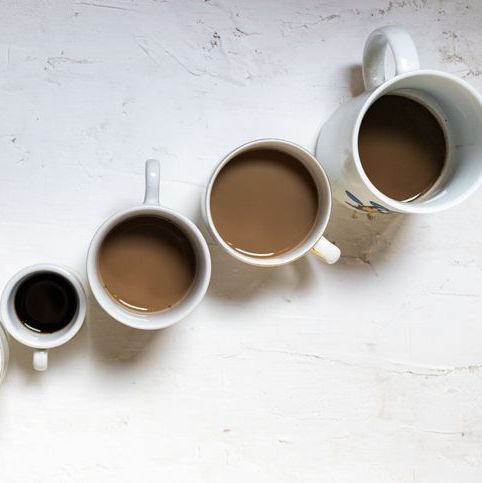
If you look at it on a scale of drinks.
The phrase - "on a scale" - refers to comparing things according to levels or degrees.
Notice the following examples:
- On a scale of one to ten, how difficult was the test?
- We rated the restaurants on a scale of quality.
semi-processed
The leaves are semi-processed.
The word - "semi-processed" - means partly processed but not fully changed from the original form.
Notice the following examples:
- Oolong tea leaves are semi-processed.
- The factory produces semi-processed materials.
caffeine
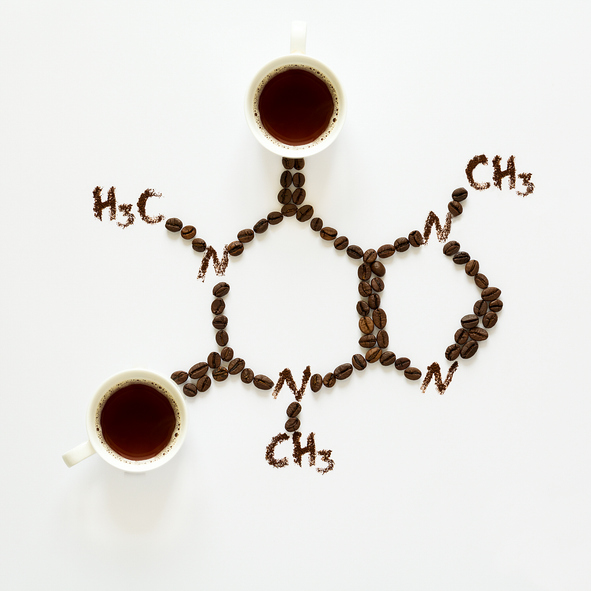
English tea has the most caffeine.
The word - "caffeine" - refers to a natural chemical found in drinks like coffee and tea that makes people feel more awake.
Notice the following examples:
- Coffee contains a lot of caffeine.
- Some people avoid caffeine at night.






More Listening Lessons by ELLLO



Free Worksheets
and Courses